Comparing International Moving by Sea vs by Air vs by Road
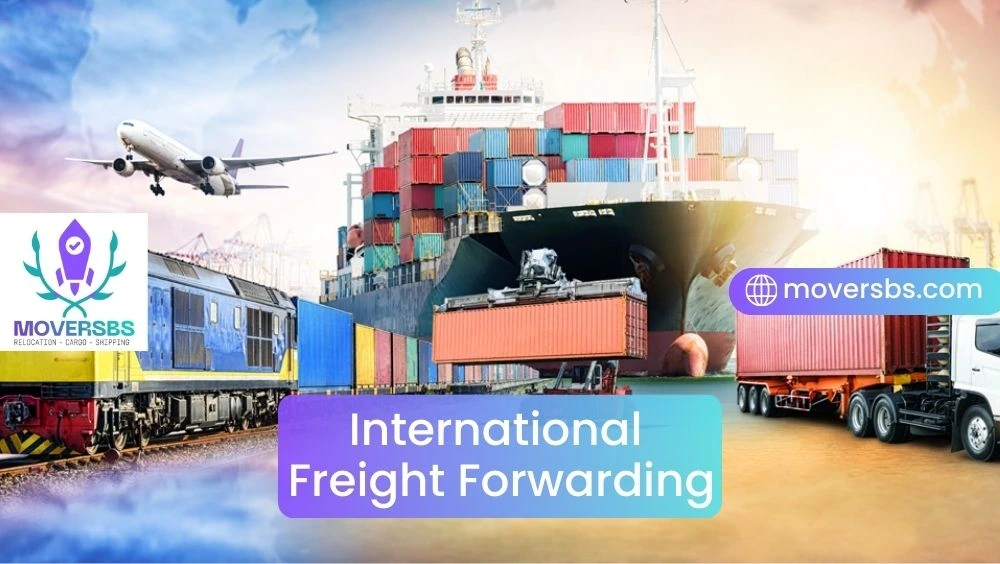
Comparing International Moving by Sea vs by Air vs by Road. Relocating across borders is a big life decision, and therefore choosing the right transportation method becomes one of the most important steps in the process. Many families and businesses often wonder whether international moving by sea, international moving by air, or international moving by road offers the best balance between cost, speed, and safety. Moreover, each method comes with unique advantages and limitations. Consequently, understanding these differences helps people avoid delays, reduce expenses, and protect valuable belongings.
Today, global mobility continues growing rapidly. Furthermore, professionals relocate for career opportunities, students move for education, and companies expand operations into new markets. Because of these changes, demand for reliable international moving solutions has increased significantly. However, selecting the wrong shipping method can lead to higher costs or longer delivery times. So, comparing sea, air, and road transportation carefully allows movers to make smarter decisions and enjoy smoother relocation experiences.
Understanding International Moving Options
Before comparing the three transportation methods, it helps to understand what each option involves. Generally, logistics companies provide different shipping modes depending on distance, urgency, and shipment size. Moreover, each method serves a specific purpose in the moving industry.
Overview of Moving Methods
| Moving Method | Best Use Case | Typical Distance |
|---|---|---|
| Sea Freight | Large household shipments | Intercontinental |
| Air Freight | Urgent or valuable goods | Long-distance |
| Road Freight | Regional or cross-border moves | Short to medium distance |
Additionally, many international moves combine two or more methods. Therefore, logistics providers often create customized shipping plans based on individual needs.
International Moving by Sea: Cost-Effective for Large Shipments
Sea freight moving services remain the most popular option for international relocation. Moreover, shipping containers allow families to transport furniture, appliances, and personal belongings safely across oceans. Consequently, sea transportation works best for people moving entire households.
Advantages of Sea Freight
- Lower transportation cost for large shipments
- Ability to move bulky furniture
- Reliable global shipping network
- Environmentally efficient transport
- Flexible container options
Furthermore, shipping companies offer both shared containers and dedicated containers. Therefore, customers can choose based on budget and shipment size.
Disadvantages of Sea Freight
- Longer delivery time
- Weather-related delays
- Limited flexibility for urgent shipments
Sometimes deliveries arrive later than expected, especially during busy seasons, and that can be little frustrating but still manageable.
International Moving by Air: Fastest Delivery Option
Speed remains the biggest advantage of air freight moving. Therefore, individuals who need quick delivery often select this method. Moreover, airlines handle cargo carefully, which reduces the risk of damage.
Benefits of Air Freight
- Fastest shipping method
- High level of security
- Reliable delivery schedules
- Ideal for urgent shipments
- Reduced handling time
Additionally, air freight works well for transporting essential items such as documents, electronics, and personal valuables.
Limitations of Air Freight
- Higher shipping costs
- Weight and size restrictions
- Limited capacity for large furniture
Consequently, many movers use air freight only for essential belongings while shipping the rest by sea.
International Moving by Road: Flexible Regional Transportation
Road freight moving services play a major role in regional relocation. Moreover, trucks provide direct door-to-door delivery, which simplifies the moving process. Therefore, road transportation remains popular for cross-border moves within the same continent.
Advantages of Road Freight
- Flexible delivery schedules
- Door-to-door service
- Lower cost for short-distance moves
- Easy tracking and communication
- Quick loading and unloading
Furthermore, road transport supports both small and large shipments.
Challenges of Road Freight
- Traffic congestion
- Border delays
- Weather disruptions
- Limited range compared to sea and air transport
Even so, road transportation still offers reliable performance for regional relocation.
Cost Comparison: Sea vs Air vs Road Moving
Cost often becomes the deciding factor when selecting a shipping method. Consequently, understanding price differences helps families plan relocation budgets effectively.
Estimated Moving Cost Table
| Moving Method | Average Cost per Cubic Meter | Delivery Speed |
|---|---|---|
| Sea Freight | $150 – $300 | Slow |
| Air Freight | $800 – $1,500 | Very Fast |
| Road Freight | $200 – $500 | Moderate |
However, actual prices vary depending on distance, shipment size, and seasonal demand. Therefore, requesting quotes from multiple providers remains a smart strategy.
Transit Time Comparison for International Moving
Delivery speed varies significantly between transportation methods. Consequently, planning timelines carefully ensures smooth relocation.
Average Delivery Time Table
| Moving Method | Delivery Time |
|---|---|
| Sea Freight | 3–8 weeks |
| Air Freight | 3–7 days |
| Road Freight | 1–10 days |
Moreover, customs clearance and documentation processing can affect delivery schedules. Therefore, movers should allow extra time for inspections.
Safety and Risk Factors in International Moving
Protecting belongings during relocation remains a top priority. Therefore, choosing the right shipping method and packaging materials becomes essential.
Common Risk Factors
- Rough handling during loading
- Weather damage
- Shipping delays
- Lost documentation
- Transportation accidents
Additionally, purchasing cargo insurance provides financial protection against unexpected incidents.
Environmental Impact of Different Moving Methods
Sustainability has become an important consideration in modern logistics. Consequently, transportation companies are adopting eco-friendly practices.
Environmental Comparison
| Moving Method | Environmental Impact |
|---|---|
| Sea Freight | Low emissions per unit |
| Air Freight | High carbon emissions |
| Road Freight | Moderate emissions |
Moreover, many logistics providers now use fuel-efficient vehicles and optimized routes to reduce environmental impact.
Related Articles:
How to Choose the Right Moving Method
Selecting the best shipping option depends on individual priorities. Therefore, movers should evaluate several factors before making a decision.
Key Decision Factors
- Budget
- Delivery urgency
- Shipment size
- Destination distance
- Cargo value
- Storage requirements
Additionally, consulting professional movers helps identify the most suitable transportation method.
Combining Transportation Methods for Better Efficiency
Sometimes a single shipping method does not meet all requirements. Consequently, logistics companies often combine transportation modes to improve efficiency.
Examples of Combined Shipping
- Sea freight for furniture and appliances
- Air freight for urgent documents
- Road freight for final delivery
Moreover, this approach balances cost, speed, and convenience.
Packing Tips for International Moving
Proper packing protects belongings and reduces damage risks. Therefore, following professional packing guidelines improves relocation safety.
Essential Packing Tips
- Use strong packing boxes
- Wrap fragile items carefully
- Label boxes clearly
- Keep important documents accessible
- Pack heavy items at the bottom
Additionally, creating an inventory list helps track belongings during transportation.
Sometimes people rush packing at last minute and forget labeling boxes, which later create confusion during unpacking, so better to plan earlier.
Common Mistakes to Avoid When Choosing a Moving Method
Even experienced movers occasionally make planning errors. However, avoiding common mistakes ensures smoother relocation.
Typical Moving Mistakes
- Choosing the cheapest option without considering reliability
- Underestimating shipping time
- Ignoring customs regulations
- Skipping insurance coverage
- Poor packing preparation
Furthermore, working with professional movers reduces the risk of costly mistakes.
Future Trends in International Moving
The moving industry continues evolving with new technology and improved infrastructure. Consequently, customers can expect faster and more efficient relocation services in the future.
Emerging Industry Trends
- Digital shipment tracking
- Automated customs documentation
- Eco-friendly transportation solutions
- Smart logistics planning systems
Moreover, these innovations will improve customer satisfaction and reduce transportation delays.
Conclusion
Comparing international moving by sea vs by air vs by road helps families and businesses choose the most suitable transportation method for their relocation needs. Moreover, each option offers unique advantages depending on budget, delivery speed, and shipment size. Therefore, careful planning and professional guidance ensure safe and efficient moving experiences. Even though relocation sometimes feels complicated, selecting the right shipping method makes the whole process much easier and less stressful. With proper preparation and reliable support, international moving becomes a manageable and successful journey.
Social:
https://uk.pinterest.com/pin/1033153970788969213/
https://www.linkedin.com/feed/update/urn:li:share:7450782305603858432/


Comments
Post a Comment