Corporate Relocation Policies & How They Work with Movers
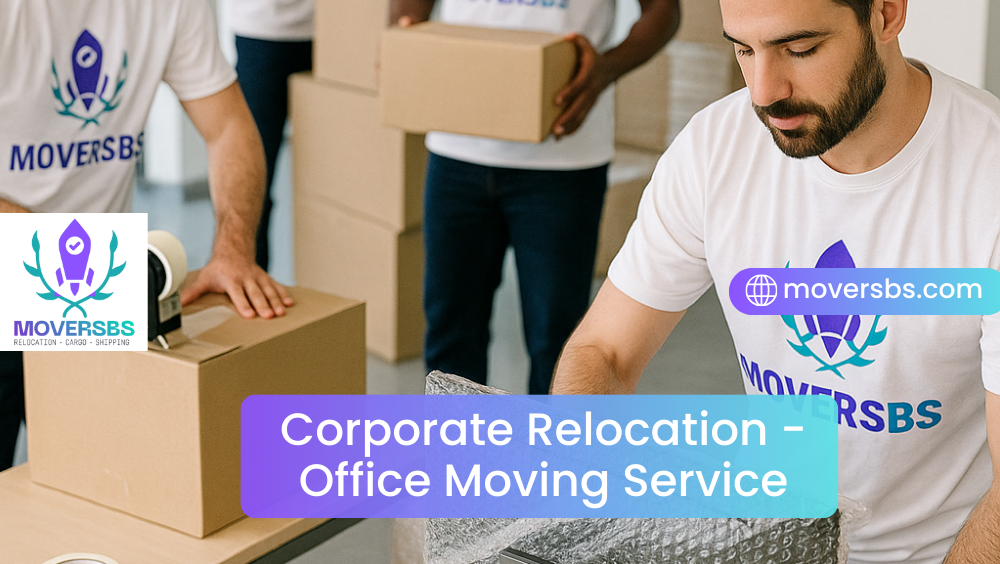
Corporate Relocation Policies & How They Work with Movers. Relocating an employee — especially when a company sends them across cities or countries — involves far more than just booking a moving van. Indeed, a well‑structured corporate relocation policy helps define how the company and movers collaborate. Moreover, such a policy ensures clarity, fairness, and timely relocation. In this article, we explore how corporate relocation policies operate, how they work with professional movers, what companies usually cover, and how employees can benefit. Furthermore, we provide a comprehensive relocation checklist, estimated cost ranges, and answers to common queries.
Why Companies Need a Relocation Policy
First of all, companies often invest significantly in relocating employees — especially for senior roles, international assignments, or urgent internal reshuffling. Without a formal policy, confusion may arise regarding who pays for what, how long the process takes, and who handles which tasks. Therefore, a robust employee relocation policy serves several critical purposes:
-
Sets clear expectations: It tells employees what the company will cover and what remains their responsibility.
-
Standardizes procedures: It ensures uniform treatment across all relocating staff.
-
Manages costs: It outlines budgets, reimbursements, and acceptable expenses.
-
Reduces stress: Employees know what to expect and when, which greatly reduces relocation anxiety.
Thus, with a well-defined policy, both the employer and the employee enjoy a smoother transition — and the selected moving company knows exactly what to do.
Key Components of a Typical Corporate Relocation Policy
A comprehensive relocation policy generally includes several core elements. Companies often tailor them based on role, seniority, and destination. Below is a breakdown of common components:
-
Scope of coverage — Will the company relocate the employee only, or also family members and their belongings?
-
What’s included — Packing, loading, transport, customs clearance (for international moves), insurance, unpacking, storage, temporary lodging, per diem allowances.
-
Budget limits — Overall cap or itemized limits for each expense category.
-
Time limits & deadlines — How long the relocation process must take, when the company book movers, when payment happens.
-
Employee obligations — What the employee must do: pack personal items, update address, sign receipts, submit expense reports.
-
Use of approved vendors — Requirement to use company‑selected or pre-approved moving companies to ensure quality and negotiated rates.
-
Tax and compliance rules — Especially for international moves: customs regulations, duties, visa regulations, corporate tax implications.
Because such a policy spells out who does what — and when — it reduces disputes and misunderstandings.
How It Works: Step-by-Step with Movers
When a relocation request is approved, and the policy is triggered, the typical process with a mover works like this:
-
Pre‑move consultation & inventory
First, the company or the employee contacts a pre-approved mover. Then, the mover performs an inventory of items to pack — furniture, boxes, delicate equipment, etc. This inventory helps estimate the volume and cost. -
Packing and labeling
Next, movers pack items securely, using crates, bubble wrap, padding, and packing material. They label all boxes and furniture pieces to match the inventory list. -
Loading and transport
Then, a moving truck (or container, for long-distance or international moves) loads the items. The mover handles transportation, customs clearance (if needed), and insurance paperwork. -
Unloading, unpacking, and setup
Upon arrival, movers unload, unpack, assemble furniture, and place items according to the employee’s instructions. Many corporate packages include setup and disposal of packing materials. -
Final inspection and sign-off
Finally, the employee — or relocation manager — checks the delivery against the inventory. Then they sign off receipt, and the company completes payment or reimbursement.
In each stage, the relocation policy outlines who bears the cost and who is responsible for supervision. This clarity lets movers work confidently and the company monitor cost and quality.
Typical Relocation Costs & Expense Breakdown
Although costs vary widely depending on distance, volume, and service level, companies often budget according to standard expense categories. Below is a sample cost breakdown:
| Expense Component | Typical Coverage (by Company) | Approximate Cost Range* |
|---|---|---|
| Packing & crating | Movers provide materials & labor | $500 – $2,000 |
| Domestic transport | Truck or container transport overland | $1,000 – $4,000 (per 1000 km) |
| International shipping | Sea freight or air freight, customs clearance | $3,000 – $10,000+ |
| Insurance | Full-coverage insurance for damaged/lost items | 1% – 3% of shipment value |
| Temporary lodging / per diem | Hotel + daily allowances for employee/family | $100 – $300/day |
| Storage (if needed) | Short-/long-term storage before/until settling | $200 – $700/month |
| Unpacking & setup | Movers unpack, assemble furniture | $200 – $1,000 depending on work |
*These costs represent typical ranges. Actual expenses depend on volume, distance, origin/destination, and service level. Companies often negotiate discounts with pre-approved movers.
Because companies set budget caps and use approved vendors, they avoid unexpected costs and ensure fair treatment across employees.
Benefits for Employers and Employees
For Employers
-
Consistent relocation practices: Uniform treatment ensures fairness.
-
Cost control: Budget limits and approved movers help predict and cap relocation expenses.
-
Reduced liabilities: With insurance and professional movers, the risk of damage or loss decreases.
-
Better employee retention: A smooth relocation improves morale and job satisfaction.
For Employees
-
Less stress during move: Movers handle packing, transport, and unpacking.
-
Transparency: Employees know what the company covers and what they pay.
-
Speed & efficiency: Professionals often finish much faster than a DIY move.
-
Protection: Insurance covers loss or damage — something DIY cannot guarantee.
Therefore, a strong corporate relocation policy aligned with reliable movers benefits both employer and employee alike.
Sample Corporate Relocation Checklist for Employees
Below is a suggested checklist that aligns with many corporate relocation policies. Feel free to adapt it to your company’s specific rules.
Pre‑move (2–4 weeks before moving)
-
Confirm approved mover from company’s vendor list.
-
Schedule pre-move inventory and cost estimate.
-
Collect moving documents: agreement, policy copy, insurance forms.
-
Notify family, school, landlord, utility providers, banks, and other institutions.
-
Pack personal valuables separately (e.g., jewelry, cash, important documents).
Moving week
-
Supervise movers during packing and loading.
-
Keep an inventory list and photograph big/valuable items.
-
Monitor timing and communicate arrival date.
Upon arrival
-
Inspect delivered items; check for damage or missing items.
-
Sign delivery receipt only after confirmation.
-
Submit any reimbursement or relocation allowance forms.
-
Update official address, utilities, registrations, and other records.
Post‑move (first month)
-
Confirm unpacking and setup; check functionality of furniture/appliances.
-
Report any damaged/missing items to movers and employer.
-
File insurance claims if needed.
-
Return unused packing material or pay agreed disposal fees.
This checklist helps you stay organized, avoid surprises, and comply with company policy.
Common Mistakes & How Policies Avoid Them
Relocations can go wrong for many reasons — inadequate packing, unclear inventory, wrong moving date, unexpected costs, or damage during transit. However, a formal relocation policy + approved movers helps avoid most of these pitfalls. Here’s how:
-
Unclear packing causing damage → Policy mandates professional packing and insurance.
-
Hidden fees or unexpected charges → Policy sets clear coverage and budget caps.
-
Loss or missing items → Inventory lists and signed delivery receipts ensure accountability.
-
Delays causing disruption → Policy requires movers to meet deadlines; employee submits updated address early.
-
Family inconveniences (temporary lodging, school delays) → Policy may include per diem or housing subsidies.
Therefore, companies offering well-defined relocation policies significantly reduce risk and ensure smooth transitions.
International Moves: Extra Layers of Complexity
When relocation involves crossing national borders, things get trickier. In such cases, companies often include:
-
Customs clearance and duties — Movers handle paperwork, tariffs, and import/export rules.
-
Visa, work permit, and immigration support — Employer or relocation team guides the employee through legal procedures.
-
Cultural relocation assistance — From temporary housing to school search, spousal support, local orientation.
-
Tax and compliance support — Employer ensures compliance with both origin and destination country regulations.
Because international moves involve many stakeholders, a clear global relocation policy is critical. Companies often partner with experienced international movers and logistics firms to handle shipping, customs, and delivery.
How Companies Choose and Work with Movers
Selecting a reliable mover plays a huge role in relocation success. Many companies follow these steps:
-
Pre‑qualify movers — Evaluate experience, licensing, insurance, customer reviews, and international shipping capability (if needed).
-
Negotiate corporate rates — Companies often secure discounted rates or fixed-price contracts, which helps budget planning.
-
Create mover guidelines — Standard packing rules, labeling systems, handling delicate items, timeline expectations, communication protocols.
-
Train employees and relocation staff — Teach both parties what to expect, what to document, and how to handle disputes.
-
Audit post‑move performance — Collect feedback, note damages, and measure compliance with policy; use to refine vendor list.
This vendor management ensures consistent quality, transparent pricing, and fewer complaints.
Case Study: Typical Corporate Relocation
Scenario: A mid‑sized tech firm sends a senior software engineer from Milan, Italy to Dubai, UAE. The company provides full relocation support.
What the company covered:
-
Packing, shipping of household goods and furniture via sea freight (approx. 20 m³)
-
Customs clearance in Dubai
-
Full insurance for shipment
-
Temporary housing for two weeks + per diem
-
Unpacking and furniture re-assembly at new residence
Outcome: Employee relocated in 6 weeks total (2 weeks packing/shipping + 2 weeks sea transit + 2 weeks customs clearance + setup). Thanks to clear corporate policy and a trusted approved mover, the move cost the company $6,500 — within budget — and the employee avoided stress and disruption.
Many companies follow similar models; your own costs will vary based on volume, destination, and services.
Why Transparency and Communication Matter
Throughout relocation, communication remains the backbone. Employees should receive a copy of the relocation policy. Movers should maintain regular updates — when packing starts, when shipping departs, expected arrival, customs status, and delivery date. Moreover, employees should keep records: inventories, photos, receipts, and correspondences.
Hence, transparency helps prevent misunderstandings, ensures accountability, and builds trust among employer, employee, and mover.
Summary: What a Good Corporate Relocation Policy Does
To recap:
-
A good policy defines scope, responsibilities, costs, and timeline.
-
It ensures both employer and employee know who does what.
-
It helps control cost and mitigate risks.
-
It simplifies coordination with professional movers.
-
It improves relocation speed, reduces stress, and protects employee belongings.
For any company planning to relocate staff, investing time in creating a solid relocation policy — and partnering with trusted movers — pays off with smoother transitions and happier employees.
Conclusion
A well-defined corporate relocation policy is essential for smooth, stress-free employee moves. By clearly outlining responsibilities, costs, timelines, and approved movers, companies can control expenses, reduce risks, and improve employee satisfaction. Employees benefit from professional packing, transport, and setup services, while employers enjoy consistent processes and better retention. Ultimately, collaboration between a transparent relocation policy and reliable movers ensures efficient, safe, and timely relocations — whether local, national, or international.
Social:
https://uk.pinterest.com/pin/1033153970783804479/
https://x.com/moversbs/status/1997892153310392542
https://www.linkedin.com/feed/update/urn:li:share:7403657522613526528/


Comments
Post a Comment